
When Being Active Doesn't Have to Feel Like Sport
What we're learning from bringing movement, thinking games and social connection into community settings.
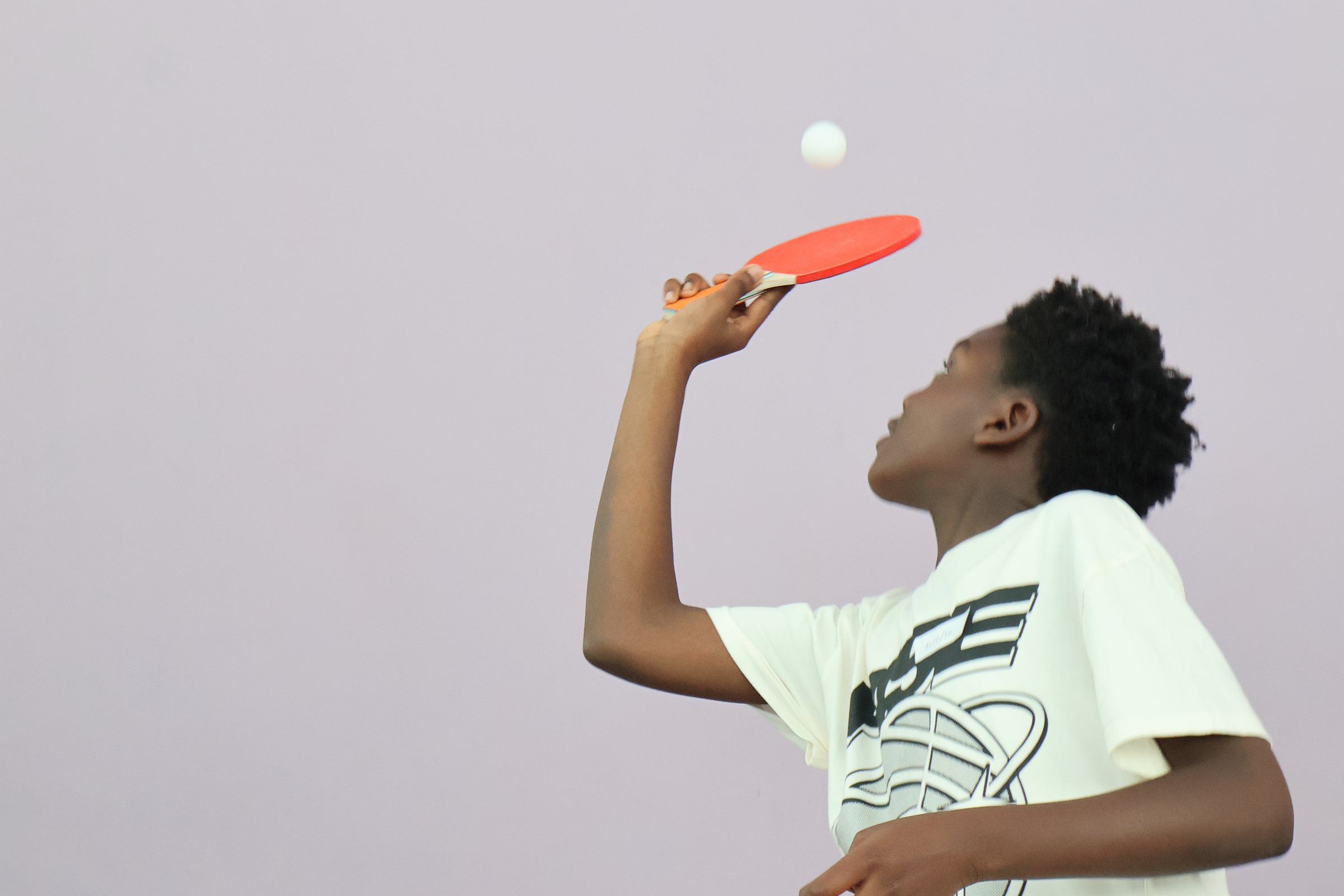
What happened
Move. Think. Connect. brings movement, thinking games and social connection into community settings. It has been delivered and tested alongside our other programmes.
A session mixes physical activity that does not look like sport, games that give a group something to think about together, and time that exists simply so that people talk to each other.
We are not publishing participation figures for this work yet. Community attendance is still being confirmed with the organisations that hosted it, and an estimate presented as a count is exactly what this site does not do.
Why we did it
A lot of people are never going to join a gym, a team or a structured exercise class. That is not a motivation problem. Sport carries assumptions about ability, age, kit and competitiveness, and for many people those assumptions are the barrier rather than the activity itself.
Move. Think. Connect. is built for people who would not naturally choose any of those routes. Active without pressure. Play without an age limit.
The thinking games are there for the same reason. They give a group a shared task rather than a shared conversation, which is a much easier thing to walk into.
What participants experienced
Sessions combine the three components rather than running them in sequence. People move, think and talk within the same hour.
What we can describe is the format and the setting. What we cannot yet describe is scale, because the figures are not verified, or outcome, because we have not measured it.
Move. Think. Connect. is designed to support positive mood and wellbeing through movement, play and social connection. That is a design intention. It is not a measured finding, and we are not going to present it as one.
What we learned
Removing the word sport changes who turns up. People who describe themselves as not sporty will take part in something that involves moving, as long as nothing about it is framed as exercise.
Mixed ages work better than we expected. A session with no age limit puts people in a room together who would not otherwise be there, and a shared task gives them a reason to be.
The setting does a lot of the work. A familiar community venue removes a step that a leisure centre adds.
Counting community activity is harder than counting a programme. People come and go, sessions sit inside somebody else's event, and the host organisation holds part of the record. That is why the figures are not published yet.
What happens next
We are confirming attendance figures with the organisations that hosted this activity. When those are verified they will appear on the impact page and in a community story, and not before.
Move. Think. Connect. is available to schools, community groups and organisations who want to offer their people an accessible route into being active. The format adapts to the group and the space it has.
The outcome question stays open. Designing something to support mood and wellbeing is not the same as demonstrating that it does, and the second one needs evidence we have not yet gathered.
THE PROGRAMME BEHIND THIS STORY
Move. Think. Connect.
More stories
-
VOICES ON PAPER
From Blank Pages to Young Voices
How four artist-led workshops created space for young people to explore identity, aspirations and self-express...
-
CATCH THEM YOUNG
Building More Than a Saturday Programme
What Catch Them Young is teaching us about participation, confidence, connection, recruitment and giving young...